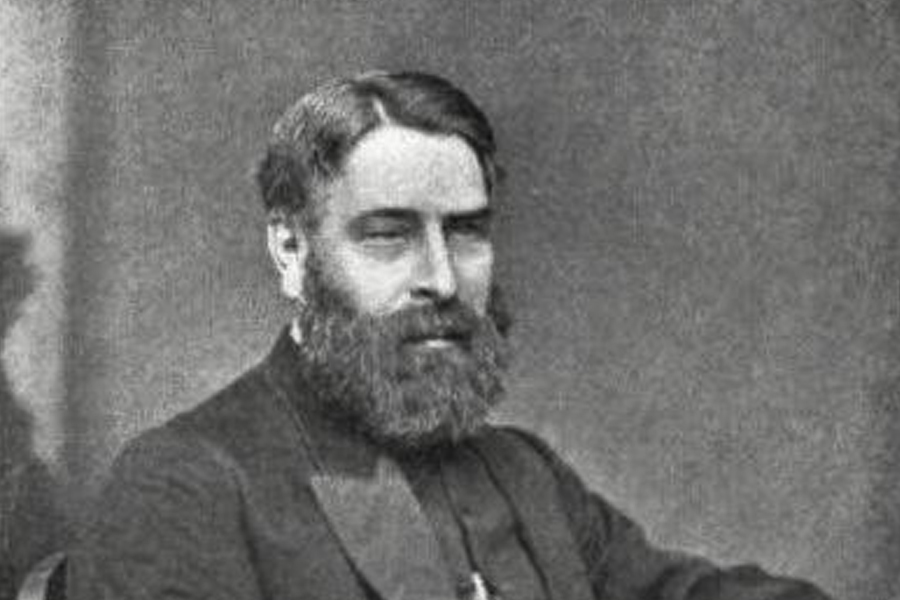
Basic Information
| Field | Details |
|---|---|
| Full name | Arthur Bell Nicholls |
| Birth | 6 January 1819 |
| Birthplace | Tully Farm, Killead, County Antrim, Ireland |
| Death | 2 December 1906 |
| Place of death | Banagher, County Offaly, Ireland |
| Occupations | Anglican clergyman, curate of Haworth, later farmer |
| Education | Royal School, Banagher; Trinity College Dublin, BA 1844 |
| Spouses | Charlotte Brontë, married 29 June 1854; Mary Anna Bell, married 25 August 1864 |
| Children | None |
| Parents | William Nicholls and Margaret Bell Nicholls |
| Notable relations | Father in law Patrick Brontë; uncle and guardian Dr. Alan Clerke Bell |
| Residences | Haworth, Yorkshire; Banagher, County Offaly |
| Known for | Curate to Patrick Brontë, husband of Charlotte Brontë, guardian of Brontë legacy |
Origins and Early Loss
Family history places Arthur Bell Nicholls as one of ten children born at Tully Farm in Killead, County Antrim, on January 6, 1819. William Nicholls and Margaret Bell, Protestants from Ireland, raised him in the countryside. Fate struck early. With his parents gone, the kid moved from Antrim to County Offaly with his maternal uncle, Dr. Alan Clerke Bell, and aunt Harriette at age seven.
Bells offered stability and expectation. Dr. Bell, headmaster of the Royal School in Banagher, taught Arthur discipline, religion, and Latin and Greek for clerical careers. His brother Alan joined him in the household and school, bonded by circumstance and family. From those ink and recitation rooms, a career emerged.
Schooling and Trinity College Dublin
Nicholls entered Trinity College Dublin, the Church of Ireland’s intellectual hub, at 17 in 1836. Graduating in 1844 shows continuous application rather than spectacle. He was ordained deacon in May 1845 and began the task that linked him to one of literature’s most famous families. Duty, not glory, guided a life of service.
Curate of Haworth
at June 1845, the young clergyman became curate to the Reverend Patrick Brontë at Haworth, Yorkshire. With its weaving rooms and windswept churchyard, the moorland parish needed grit. Nicholls taught Sunday School, managed the church school, and trained teachers. Six days a week of parish rounds, hundreds of worshipers, and 1845–1861 years provide context.
He wasn’t just a preacher. The curate visited the sick, established rituals, and was often called a stubborn, reliable presence in Haworth. Parish recognized it. He received a presenting watch from appreciative Haworthians, a tiny token of reliability.
Courtship and Marriage to Charlotte Brontë
A complicated heart underpinned that reliability. Nicholls attempted to marry Charlotte Brontë in 1852. Both she and her father declined. The rejection caused a local storm. Nicholls, devastated and conscience-driven, resigned and announced a mission to Australia because Patrick Brontë deemed the litigation imprudent. Still, the tale turned. Nicholls began work in 1853 when Charlotte accepted a fresh plan.
They married in Haworth on June 29, 1854. This honeymoon led them over the Irish Sea to Banagher and west to Kilkee’s Atlantic light. Those months were like sunshine after years of cloud. It was brief. Nicholls grieved again when Charlotte died on 31 March 1855 during early pregnancy. The widower quietly settled into church work.
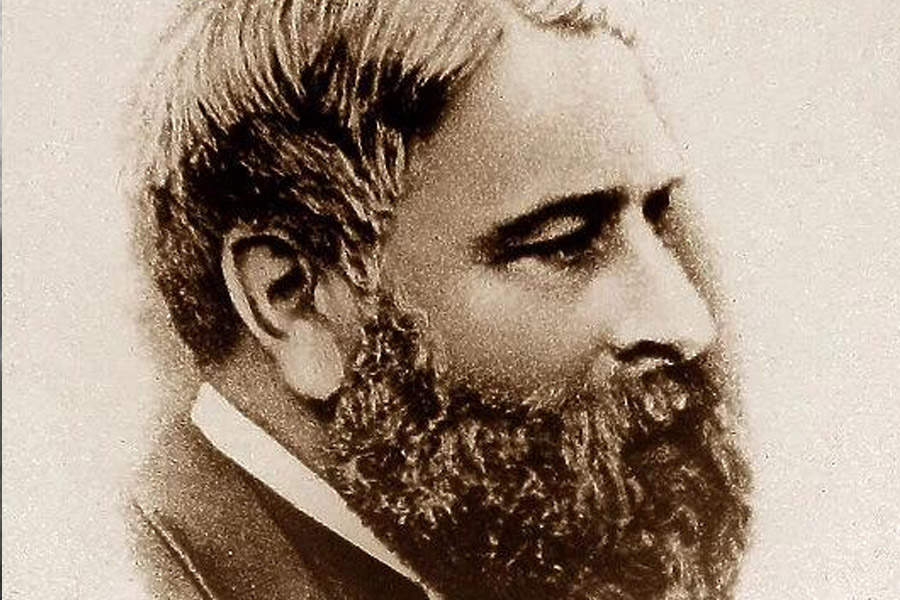
Widower and Duty to Patrick Brontë
Duty outlasted love. Nicholls cared for the elderly Patrick Brontë in Haworth after Charlotte’s death until his death in 1861. Approximately 500 people signed a petition asking Nicholls to succeed Patrick. He declined. He declined the living due to humility, tiredness, or parish and patronage politics. He folded his cassock and went home to Ireland.
Return to Ireland and Second Marriage
The community that gave Nicholls a second childhood became his home again. He married cousin Mary Anna Bell on August 25, 1864. Their households were connected decades ago. All descriptions describe a companionate, practical, and tranquil marriage. The priest became a farmer, trading lectures for rural seasons. Eventually, he or his household passed on certain Brontë memorabilia to collectors. He was 87 when he died of bronchitis at Banagher on 2 December 1906 and was interred with Mary Anna.
The Family Web
The Nicholls and Bell families formed a lattice that sustained Arthur’s life:
- Parents: William Nicholls, a farmer rooted in Killead, and Margaret Bell of the Church of Ireland, who together raised a large family before their early deaths.
- Siblings: One of about ten children, with brother Alan a close companion in the Bell household at Banagher.
- Adoptive kin: Dr. Alan Clerke Bell, headmaster of the Royal School, and his wife Harriette, who fostered Arthur’s education and faith.
- Spouses: Charlotte Brontë, whose brief marriage to Arthur remains one of literary history’s poignant footnotes, and Mary Anna Bell, who shared decades of domestic steadiness and later safeguarded or disposed of Brontë memorabilia.
- In laws: Patrick Brontë, with whom Arthur navigated grief, parish responsibilities, and the delicate balance of duty and deference.
Through these ties, a pattern emerges. Nicholls was not a solitary figure drifting in the wake of a famous wife. He belonged to a web of obligations and affections that shaped his decisions.
Character, Reputation, and Debates
For years, Arthur Bell Nicholls has divided opinions. Ellen Nussey, Charlotte’s friend, accused him of shortening her life and hastening her death, an allegation academics still debate against 1855 pregnant medical facts. Nicholls had to deal with pictures he disliked after Elizabeth Gaskell’s biography caused arguments. He was tough and prickly at the parish level, yet he prompted petitions, gifts, and silent respect for those who performed the work. He guarded Charlotte’s image, saved texts and letters, and occasionally resisted public inquiries. Charlotte was the flaming comet, and Arthur was the dawning star.
Legacy and Ongoing Interest
In Haworth history and Brontë studies, Nicholls plays a supporting role with significant lines. Father and daughter, parish and household, and memory across the Irish Sea—he connected them. His recommendations, influence on Charlotte’s final year, and family paper decisions are still debated by scholars and readers. Yorkshire and Irish seaside festivals recall honeymoons. Offaly’s local history recall his return to Banagher, agricultural routines, and quiet demise. Net worth and great office ledgers are absent. Instead, he left pastoral care, family obligation, and literary legacy.
Timeline at a Glance
| Year | Event | Details |
|---|---|---|
| 1819 | Birth | Born 6 January at Tully Farm, Killead, County Antrim |
| c. 1826 | Orphaned and adopted | Parents die; taken in by Dr. Alan Clerke Bell and Harriette in Banagher |
| 1836 | University entry | Matriculates at Trinity College Dublin |
| 1844 | Graduation | BA from Trinity College Dublin |
| 1845 | Ordination and Haworth | Ordained deacon in May; becomes Patrick Brontë’s curate in June |
| 1852 | First proposal | Proposes to Charlotte Brontë; refused |
| 1853 | Second proposal | Resigns, considers Australia; proposal accepted; resumes curate duties |
| 1854 | Marriage | Marries Charlotte Brontë on 29 June; honeymoon in Ireland including Banagher and Kilkee |
| 1855 | Widowhood | Charlotte dies on 31 March during early pregnancy |
| 1861 | End of Haworth years | Patrick Brontë dies; Nicholls declines Haworth incumbency and returns to Ireland |
| 1864 | Second marriage | Marries cousin Mary Anna Bell on 25 August; takes up farming in Banagher |
| 1906 | Death | Dies 2 December in Banagher, aged 87 |
FAQ
Who was Arthur Bell Nicholls?
He was an Irish clergyman best known as Charlotte Brontë’s husband and as curate to her father, Patrick Brontë, in Haworth.
When and where was he born?
He was born on 6 January 1819 at Tully Farm in Killead, County Antrim, Ireland.
Did Arthur and Charlotte have children?
No, their marriage was brief and they had no children.
Why did he decline to succeed Patrick Brontë at Haworth?
Although petitioned by hundreds of parishioners, he chose not to take the living and returned to Ireland, likely for personal and practical reasons.
What did he do after leaving Haworth?
He settled in Banagher, married his cousin Mary Anna Bell, and lived a quiet life as a farmer while preserving parts of the Brontë legacy.
Was his courtship of Charlotte controversial?
Yes, his first proposal in 1852 was rejected and caused tensions, but the couple married in 1854 and by many accounts were content.
How is his character remembered?
He is remembered as steadfast, reserved, and at times severe, yet dutiful in care for parish, family, and Charlotte’s memory.
Where is he buried?
He is buried in Banagher, County Offaly, beside his second wife, Mary Anna.
Did he have a recorded net worth?
No, as a 19th century clergyman and later farmer, no meaningful net worth is recorded.
What keeps his legacy alive today?
His connection to the Brontës, especially Charlotte, and his role in preserving family materials sustain ongoing interest.