Basic Information
| Field | Details |
|---|---|
| Full Name | Frederick Walker Gwynne |
| Known As | Fred Gwynne |
| Birth | July 10, 1926, New York City |
| Death | July 2, 1993, Taneytown, Maryland |
| Height | 6 ft 5 in |
| Occupations | Actor, voice artist, illustrator, author |
| Spouse | Dorothy Ficken, married 1952 |
| Children | Neil, Catherine, Madyn, Evan, Dylan |
| Parents | Father: Frederick Gwynne; Mother: Helen Bowers Lee |
| Notable Roles | Herman Munster in The Munsters 1964 to 1966; Jud Crandall in Pet Sematary 1989; Judge in My Cousin Vinny 1992 |
| Notable Books | The King Who Rained 1970 |
Early Life and Family Roots
New York City native Frederick Walker Gwynne, whose voice would match a cello, arrived in summer 1926. Frederick Gwynne and Helen Bowers Lee, his parents, lit up their home with art and wit. Helen influenced her son’s sketching and wordplay, which he later used in his humorous children’s novels.
In youth, Gwynne grew upward and inward at once. He cultivated a voracious creative appetite that straddled performance and illustration. That duality persisted his entire life: one foot on the stage and one hand in a sketchbook, always building worlds.
Marriage, Home, and Children
In 1952, Fred Gwynne married Dorothy Ficken. Their partnership, grounded in creativity and devotion, was private by design. Dorothy worked as a painter and artist, a parallel aesthetic orbit to Fred’s own.
They had five kids: Neil, Catherine, Madyn, Evan, and Dylan. They kept the household in normal rhythms as Herman Munster became famous across America. The family’s privacy preferences shaped Fred’s public image. Off camera, he was gentle, protective, and focused on art, not fame.
Family Snapshot
| Name | Relationship | Notes |
|---|---|---|
| Dorothy Ficken | Spouse | Married 1952; painter and artist |
| Helen Bowers Lee | Mother | Encouraged art and illustration |
| Frederick Gwynne | Father | Influential in early upbringing |
| Neil Gwynne | Child | Maintained a private life |
| Catherine Gwynne | Child | Low public profile |
| Madyn Gwynne | Child | Mentioned in family retrospectives |
| Evan Gwynne | Child | Private life away from limelight |
| Dylan Gwynne | Child | Remembered within family circles |
| Keiron Gwynne | Grandchild | Noted in family retrospectives |
The Munsters and a Meteoric Rise
As Herman Munster, Fred Gwynne transformed a towering stature into a soft comedic instrument from 1964 to 1966. Munsters were lightning in a bottle. Parents laughed, kids laughed, and the character’s sincerity prevailed every time. Herman became a loving Frankenstein with a parental glow thanks to Gwynne’s physical comedy, timing, and singing voice.
The show ran 70 episodes and spawned enduring reruns. Gwynne’s portrayal brought laughter without cruelty and warmth without sap. The role was a blessing, occasionally a burden, and ultimately a cornerstone of his legacy.
Beyond the Mask: Film, Stage, and Voice
Gwynne did not let Herman define him entirely. He took on varied roles across mediums, showing the seriousness behind the smile:
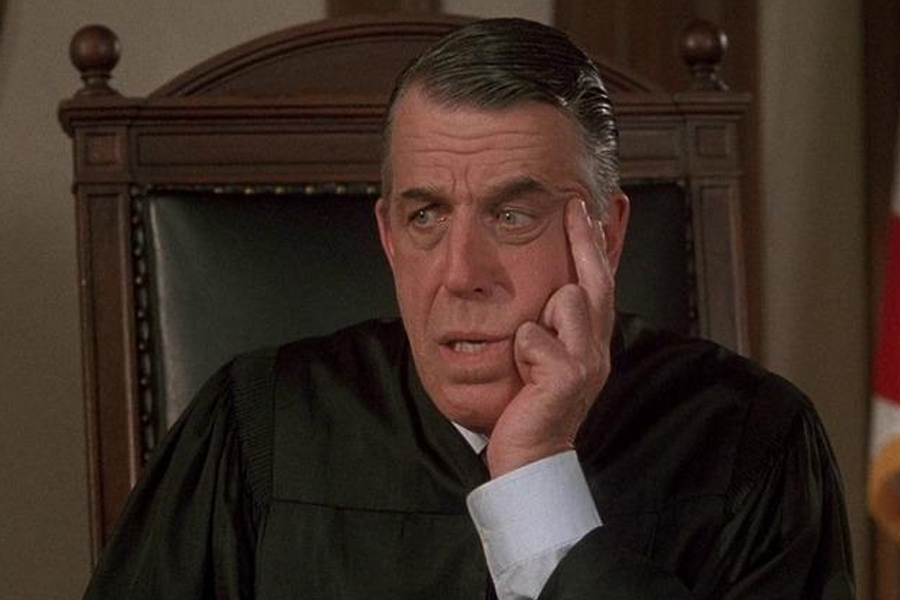
- He lent gravitas to period drama The Cotton Club in 1984 and played Jud Crandall in Pet Sematary in 1989, a haunting guide through grief and soil. In 1992, he played a judge with granite poise and sharp wit in My Cousin Vinny, stealing sequences with minimal action.
- Television work after The Munsters ranged from guest appearances to voice performances, with producers drawn to his resonant baritone and stately presence.
- Voice acting suited him perfectly. His cadence could turn bedtime stories into theatrical landscapes. Among his credits were narrated and animated projects that leveraged his ability to play with rhythm, rhyme, and character.
Selected Screen Highlights
| Year | Title | Medium | Role |
|---|---|---|---|
| 1964 to 1966 | The Munsters | Television | Herman Munster |
| 1984 | The Cotton Club | Film | Supporting role |
| 1989 | Pet Sematary | Film | Jud Crandall |
| 1992 | My Cousin Vinny | Film | Judge |
The Artist and Author at the Drawing Table
Gwynne’s second creative life paralleled performing. Language twinkled in his children’s book writing and illustration. His best-known work, The King Who Rained in 1970, uses homophones and misconceptions to make everyday sentences fun. The humorous text and inexpensive visuals allow young readers to play with language.
His artwork leaned on crisp lines and expressive faces. Illustrations were not merely complements to the jokes, but the engines that made the jokes purr. He understood that children absorb pictures as ideas, and he met them at that level with respect and humor.
A Family’s Quiet Strength
Fred Gwynne stories always return home, despite public praise. He was protected by relatives. Dorothy’s studio practice reflected his yearning for solitude. Their children were insulated from fame’s scrutiny. Over time, grandchildren like Keiron Gwynne joined the family. Birthdays, festivals, and gatherings provide rituals that make life feel lived.
The paradox of his fame is simple. He looked like a giant on the screen, yet at home he was at human scale. He fixed things, told stories, and you could find him at a desk with pen and pad, tinkering with a phrase until it clicked.
Legacy, Memory, and the Long Afterglow
Fred Gwynne died on July 2, 1993, eight days shy of 67. But the afterglow has outlasted any season. The Munsters rerun cycles keep Herman’s chuckle alive; horror fans keep rediscovering his unnerving tenderness in Pet Sematary; moviegoers still quote My Cousin Vinny with a smile.
Multiple registers have his mark. He showed actors how to fully embody characters. As an artist and author, he taught kids word play. His private convictions were only echoed as a spouse and father. He showed that flexibility is width and that a deep voice can carry warmth and thunder.
Timeline Highlights
| Year | Milestone |
|---|---|
| 1926 | Born on July 10 in New York City |
| 1952 | Married Dorothy Ficken |
| 1964 to 1966 | Starred as Herman Munster in The Munsters |
| 1970 | Published The King Who Rained |
| 1984 | Appeared in The Cotton Club |
| 1989 | Played Jud Crandall in Pet Sematary |
| 1992 | Appeared in My Cousin Vinny as a judge |
| 1993 | Passed away on July 2 in Taneytown, Maryland |
FAQ
How tall was Frederick Walker Gwynne?
He stood 6 feet 5 inches, a physical hallmark that became part of his stage and screen signature.
What was his most famous role?
Herman Munster in The Munsters from 1964 to 1966 made him a television icon.
Who was Fred Gwynne married to?
He married Dorothy Ficken in 1952, and she was known as a painter and artist.
How many children did he have?
He had five children: Neil, Catherine, Madyn, Evan, and Dylan.
What books did he write for children?
His best known title is The King Who Rained, published in 1970, featuring playful word humor and his own illustrations.
Which films are most associated with his later career?
Pet Sematary in 1989 and My Cousin Vinny in 1992 are widely remembered.
What was his voice work known for?
A rich baritone and precise phrasing made him a natural for narration and character voices in animated and educational projects.
When did he pass away?
He died on July 2, 1993, in Taneytown, Maryland.
How is his legacy preserved today?
Through television reruns, enduring film performances, and children’s books that continue to delight new readers.
Did his family remain largely private?
Yes, his spouse and children maintained a low profile, keeping family life out of public view.