Basic Information
| Field | Details |
|---|---|
| Full Name | Sati Rani Devi Mukherjee |
| Birth Name | Sati Rani Ganguly |
| Approximate Year of Birth | circa 1910 |
| Birthplace | Khandwa, Central Provinces, British India (now Madhya Pradesh, India) |
| Religion | Hindu |
| Nationality | Indian |
| Also Known As | Sati Devi, Satidevi Mukherjee |
| Parents | Kunjalal Ganguly and Gouri Devi |
| Siblings | Ashok Kumar, Anoop Kumar, Kishore Kumar |
| Spouse | Sashadhar Mukherjee (1909-1990), film producer |
| Children | Rono, Joy (1939-2012), Deb (1941-2025), Shomu (1943-2008), Shubir, Shibani |
| Profession | Homemaker and family matriarch |
| Date of Death | Not publicly documented; commemorated annually on social media |
| Known For | Bridging the Ganguly and Mukherjee families and anchoring a multigenerational film dynasty |
Early Life and Family Roots
Khandwa-born Bengali Hindu Sati Rani Devi was born about 1910. Her advocate father, Kunjalal Ganguly, was from Bikrampur, Dhaka. Gouri Devi, daughter of Raja Shibchandra Banerjee and sister of classical singer Dhananjay Banerjee, brought a rich cultural heritage to the home.
She was the only sister of four children, with three younger brothers who would become Indian film stars: Kumudlal (Ashok Kumar), Kalyan (Anoop Kumar), and Abhas. The Ganguly home combined law, music, and education. Stage and study coexisted there, where a sister calmly watched her brothers prepare for their unexpected rise.
A Teenage Marriage that Forged a Dynasty
Sati was married as a teenager in an arranged wedding to 1909 Bengali Sashadhar Mukherjee, another member of a family that would also shape Indian cinema. Himanshu Rai trained Sashadhar at Bombay Talkies, where he became a studio staple. His union with Sati was more than a family union. Two artistic eras hinged on it.
Sashadhar promoted and helped Sati’s brothers’ early film careers, particularly Ashok Kumar’s ascension in the 1930s. He eventually co-founded Filmistan and created Filmalaya Studios in Andheri as a hub for developing fresh talent. Sati was the constant center amid this whirlwind of studio floors and launchpads, with her home functioning as an important staging site for a developing film venture.
Life at Bombay Talkies, Filmistan, and Filmalaya
Talent converged at the Mukherjee residence and Sashadhar’s studios in the 1930s–1960s. Asha Parekh, Sadhana, and Sanjeev Kumar rose from Filmalaya. Its network and infrastructure enabled the next generation easily. Sati was the glue that linked schedules, kinships, and the difficult needs of shoots and releases together, yet she is rarely mentioned.
Ashok Kumar was a pioneering actor, Kishore Kumar was a dynamic vocalist and performer, and Anoop Kumar was a consistent actor. Family trumped business for the Ganguly brothers and the Mukherjee studio. It resembled a home where possibility was nurtured in living rooms and polished on sound stages.
The Children and Their Branches
Sati and Sashadhar had six children. Each, in some form, carried forward the family’s cinematic DNA. The daughters and sons married into families that expanded the clan’s reach and influence. Grandchildren grew up with scripts in hand and lights in their eyes.
Children and Key Details
| Name | Birthdate | Field | Notes |
|---|---|---|---|
| Rono Mukherjee | 1930s | Direction and production | Father of actress Sharbani Mukherjee |
| Joy Mukherjee | 24 Feb 1939 | Acting | Star of Love in Simla and other hits; father of actor Boy Mukherjee |
| Deb Mukherjee | 22 Nov 1941 | Acting and filmmaking | Married Manisha, then Amrit; father to Sunita Gowariker and director Ayan Mukerji; passed away 14 Mar 2025 |
| Shomu Mukherjee | 19 Jun 1943 | Direction and production | Married actress Tanuja; father of Kajol and Tanishaa; died 10 Apr 2008 |
| Shubir Mukherjee | 1940s | Production | Involved in family productions |
| Shibani Maulik | 1940s | Family and social sphere | Married into the Maulik family |
Mukherjee and Samarth families were bonded by this generation. Kajol, now with Ajay Devgn, is Sati’s daughter through Shomu’s marriage to Tanuja. Sunita linked Deb to Ashutosh Gowariker and Ayan Mukerji to a new filmmaking movement. Tree grew dense and storied branch by branch.
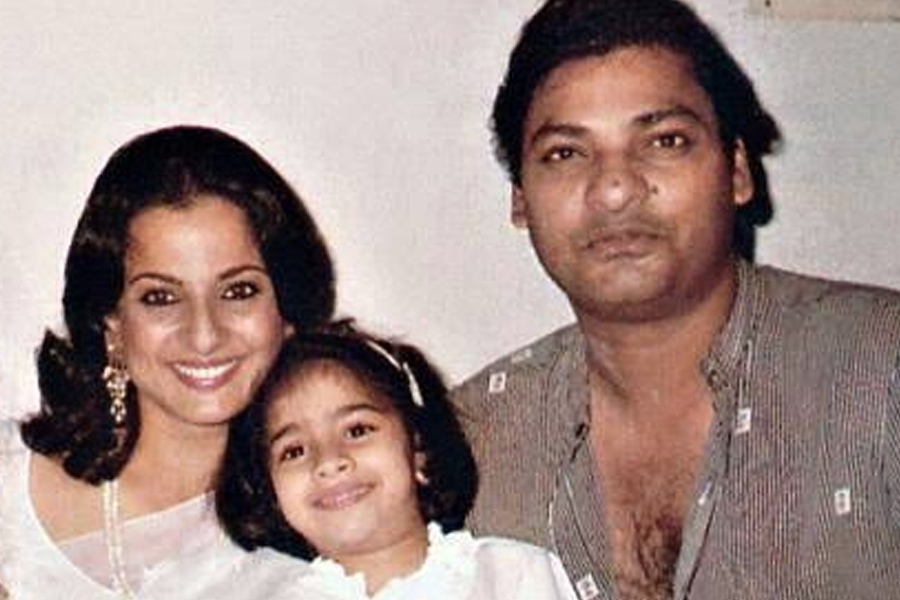
Bridge to the Ganguly Brothers
Sati’s brothers were famous performers in Indian film. She lived close to them while creating her own large family as the sole sister. Genetics were not the only link. Care, celebrations, professional goals, and encouragement were daily. The Ganguly-Mukherjee partnership lasted decades, with studios, shoots, and songs coming together like brothers.
Timeline of Key Dates
| Year | Event |
|---|---|
| c. 1910 | Birth of Sati Rani Ganguly in Khandwa |
| c. 1925-1930 | Teenage marriage to Sashadhar Mukherjee |
| 1930s | Sashadhar rises at Bombay Talkies; supports Ashok Kumar’s early career |
| 1939 | Birth of son Joy Mukherjee on 24 February |
| 1941 | Birth of son Deb Mukherjee on 22 November |
| 1943 | Birth of son Shomu Mukherjee on 19 June |
| 1940s-1950s | Family grows with births of Rono, Shubir, and daughter Shibani |
| 1950s-1960s | Sashadhar co-founds Filmistan and launches Filmalaya Studios; new stars emerge |
| 3 Nov 1990 | Death of husband Sashadhar Mukherjee |
| 10 Apr 2008 | Death of son Shomu Mukherjee |
| 14 Mar 2025 | Death of son Deb Mukherjee |
| 2024-2026 | Ongoing social media tributes note Sati’s role and commemorate her death anniversary |
Immediate Family at a Glance
| Relation | Name | Notability |
|---|---|---|
| Father | Kunjalal Ganguly | Advocate who settled in Khandwa |
| Mother | Gouri Devi | Granddaughter of Raja Shibchandra Banerjee |
| Brother | Ashok Kumar | Iconic actor of Indian cinema |
| Brother | Anoop Kumar | Actor known for character roles |
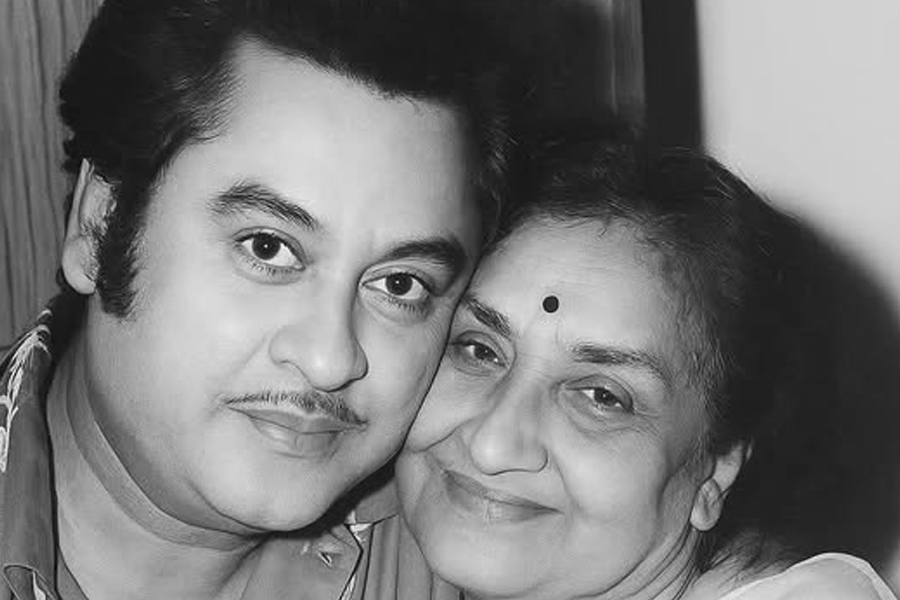
| Brother | Kishore Kumar | Legendary singer and actor |
| Husband | Sashadhar Mukherjee | Producer and studio founder |
| Children | Rono, Joy, Deb, Shomu, Shubir, Shibani | Film actors, directors, producers, and homemakers |
| Grandchildren | Kajol, Tanishaa, Ayan Mukerji, Sunita Gowariker, Sharbani, Boy | Actors, directors, producers |
A Home That Became a Launchpad
Sati Rani Devi ran the family that supported studio building, talent development, and cinema business at an era when women of her station were rarely recognized. Her modest assurance as a conductor without a baton connected family and profession. The Mukherjee home became a dream practice room and a haven from bright lights.
She did not desire attention, and her journals, ledgers, and interviews are not preserved. However, her legacy lives on in family trees, memories, and a clan whose surnames dominate film credits for decades. Filmalaya and the family’s works gained riches, status, and editorial control together. In the group, Sati was central.
Later Years and Remembered Presence
After Sashadhar died in 1990, Sati became the matriarch who had seen her children and grandchildren rise to success. Her death date is unknown. Her death anniversary family condolences on social media portray her as the link between Ganguly heritage and Mukherjee-Samarth current.
When the family gathered for milestone rites or in grief, such as the passing of son Shomu in 2008 and Deb in 2025, the remembrances frequently returned to Sati. She is invoked as the first binding thread, the quiet architect of a household where artistry was nourished as naturally as conversation.
FAQ
Who was Sati Rani Devi?
She was the only sister of Ashok Kumar, Kishore Kumar, and Anoop Kumar, and the wife of producer Sashadhar Mukherjee.
When was she born and where?
She was born around 1910 in Khandwa, in present-day Madhya Pradesh.
Did she have a public career?
No, she did not hold a public professional role and was primarily a homemaker and family anchor.
How did she influence Indian cinema?
By bridging the Ganguly and Mukherjee families, she enabled a studio ecosystem that launched multiple stars and filmmakers.
Who were her children?
Her six children were Rono, Joy, Deb, Shomu, Shubir, and Shibani.
Which famous grandchildren are part of her lineage?
Kajol and Tanishaa through Shomu, and Ayan Mukerji and Sunita Gowariker through Deb, among others.
Who was her husband?
She married producer Sashadhar Mukherjee, who co-founded Filmistan and established Filmalaya Studios.
Is her date of death known?
No, it is not publicly documented, though the family commemorates her death anniversary annually.
What was her connection to Kishore Kumar?
Kishore Kumar was her youngest brother, making her a direct link between his line and the Mukherjee studio family.
Why is she called the foundational matriarch?
Because she served as the familial bridge and home front that supported several generations of film careers across two dynasties.